
City walks change as autumn turns towards winter. Earlier sunsets, wet leaves, rain and colder pavements can make familiar routes feel different, while darker evenings bring extra challenges around traffic and visibility. Dogs still benefit from outdoor exploration, but a good routine is one that adapts to the conditions and to the individual animal.
Choose routes that can be shortened
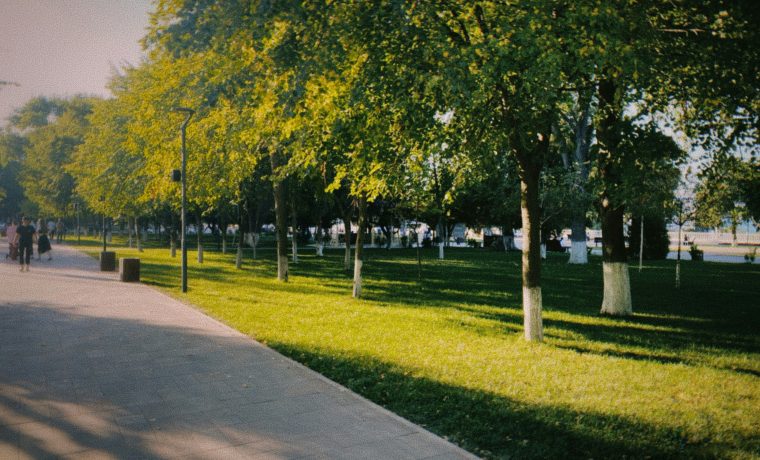
When the weather is unsettled, plan a route with easy turning points rather than committing to a long loop. A well-lit residential street, a maintained park path or a quieter route away from fast traffic may be more comfortable than the busiest shortcut. Check local park notices before setting out, as access and lead requirements can vary and temporary restrictions may apply.
Consider the dog’s confidence as well as the forecast. A route that feels manageable to a relaxed adult dog may be overwhelming for a puppy, a senior dog or one that is sensitive to traffic noise. Choosing a quieter time can make the same walk more enjoyable.
Be visible and stay in control
In low light, reflective details on clothing, leads or suitable dog equipment can help other path users see you. A small light may also make it easier to keep track of your dog. Check that any accessory fits comfortably and does not restrict movement. Visibility equipment is helpful, but it does not replace a secure lead and attentive handling near roads.
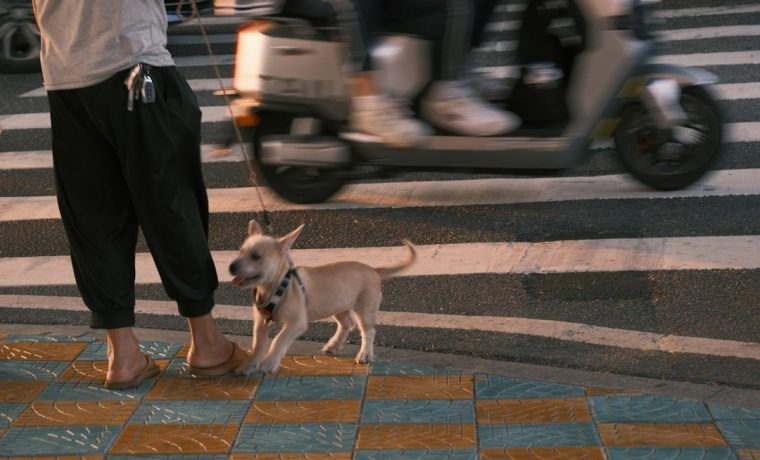
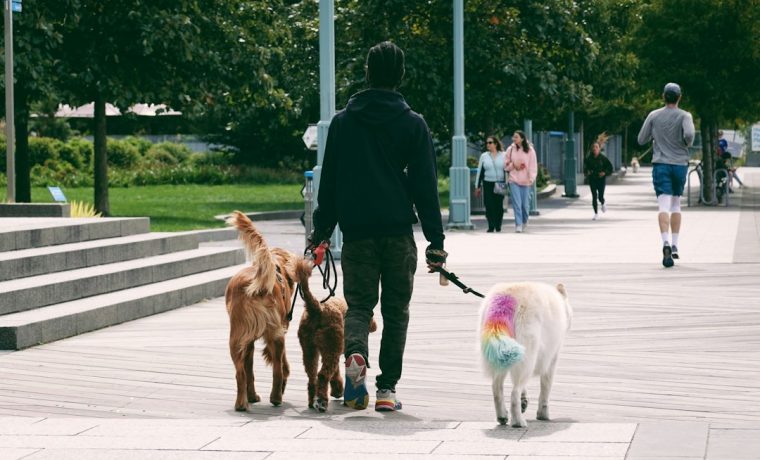
Keep your dog close enough for control at crossings, narrow pavements and shared paths. Give cyclists, runners and pedestrians room to pass. Practise a calm pause and a change-of-direction cue in quiet surroundings before relying on them in a busy place. Ask before allowing a greeting with another dog; not every animal wants to meet.
Pay attention to surfaces and paws
Wet leaves can be slippery, while standing water may hide uneven paving or debris. Choose a route with a surface your dog can manage and avoid rushing across crowded areas. After the walk, gently dry the coat and check paws for grit, small stones, irritation or cuts. If the route includes treated paths, wipe paws as appropriate and prevent your dog from licking unknown residues.
Cold tolerance varies with coat, size, age, health and individual preference. Some dogs are comfortable in chilly weather; others may need shorter outings or a suitable coat. Shivering, repeatedly lifting paws, slowing down or trying to head home are reasons to reassess the conditions. Seek veterinary advice for persistent soreness, limping or other concerning changes.
Let sniffing be part of the walk
A useful walk is not measured only by distance. Sniffing gives dogs an opportunity to explore information in their surroundings and can make a shorter outing mentally engaging. Pause in safe places, keep your dog away from litter and unknown food, and avoid disturbing wildlife. A slower route can be more rewarding than a hurried march through a crowded area.
If your dog finds sudden noises or crowds difficult, create distance rather than forcing them to pass close to a trigger. Move to a quieter spot, let them observe from a comfortable distance or finish the outing. Repeated exposure at a level that causes distress is not a reliable way to build confidence.
Balance outdoor time with indoor activities
On particularly wet or dark days, some outdoor sessions may need to be shorter. You can add a little variety at home with a supervised search game using part of the dog’s usual food allowance, a suitable puzzle feeder or a brief reward-based training session. Keep the activity safe and easy enough to be enjoyable. Remove damaged toys and avoid materials that could be swallowed.
Indoor enrichment is not a replacement for all outdoor needs, but it can help make a flexible routine work. Follow veterinary guidance if your dog has an injury, mobility concern or exercise restriction.
Let the dog set the pace
Successful cold-weather city walks are built around visibility, secure handling, comfortable surfaces and close attention to the dog’s signals. Some days will allow a longer adventure; others may call for a short loop and a calm activity at home. Being willing to adapt is not a failure to complete the route. It is part of looking after a dog well.
Reading time: approximately 5 minutes. Image: Alvan Nee / Unsplash.