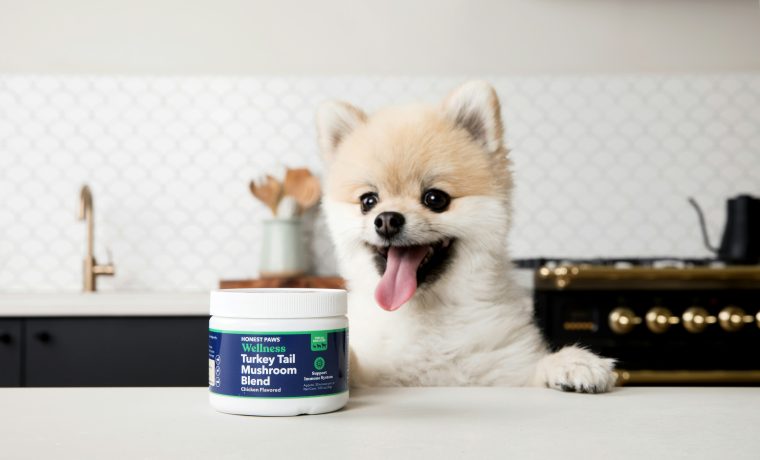
Everyday Dog Wellness: Five Habits That Support a Happier, Healthier Companion
Simple, evidence-conscious routines for supporting your dog’s wellbeing through movement, nutrition, enrichment, preventive care and rest.

Simple, evidence-conscious routines for supporting your dog’s wellbeing through movement, nutrition, enrichment, preventive care and rest.
New findings in canine immune thrombocytopenia suggest bleeding risk may require a broader clinical assessment than platelet count alone.
Research from Sweden examined behavioural and genetic differences between German Shepherd lines, encouraging nuanced discussion of breeding, temperament and individual variation.
A veterinary team identified and screened a donor cat and completed a blood donation within hours, highlighting the role of emergency donor networks in clinical care.
A survey sought input on current approaches and challenges in chronic gastrointestinal care, a condition area where long-term management can be complex.
Researchers reported an early indicator linked to side effects in canine anaemia treatment, potentially supporting closer monitoring during veterinary care.
A rescue bulldog underwent surgery to address unusually narrow nostrils, highlighting the health considerations associated with brachycephalic anatomy.
Animal charities cautioned that Halloween costumes may distress pets, advising owners to put comfort first and avoid forcing animals to wear festive outfits.
New research examined how trust and perceptions of safety influence vaccination decisions, an issue relevant to preventive care conversations.
Research suggested a portion of pet owners were unclear about where to find support for animal mental wellbeing, prompting calls for clearer signposting.