
A dog’s wellbeing is shaped by more than the length of a walk or the choice of food. Daily life also includes opportunities to explore, learn, feel safe and rest without interruption. A routine can support those needs without becoming a complicated timetable. The most useful plan is one that fits the individual dog and can be adjusted as circumstances change.
Start with the dog’s individual needs
Age, health, breed, mobility, confidence and temperament all influence what a comfortable day looks like. A lively young dog may enjoy several opportunities for movement and play, while a senior dog may prefer shorter outings and gentle activities. Dogs recovering from illness or injury may need a different plan altogether. Follow your veterinary team’s advice when exercise or diet needs to be restricted.
Rather than copying another owner’s schedule, observe how your dog responds. Comfortable movement, relaxed exploration and the ability to settle are useful signs. Persistent changes in appetite, energy, mobility or behaviour should be discussed with a vet.
Make movement purposeful and flexible
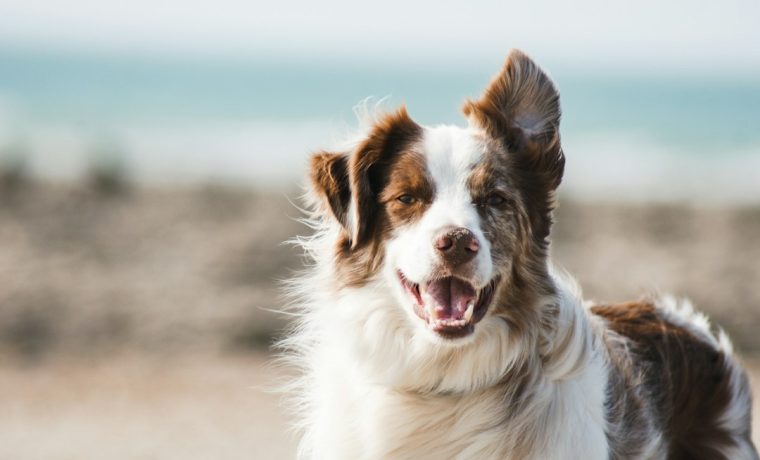
Regular movement supports fitness and gives dogs a chance to experience the world. Walks do not need to be identical every day. A familiar route can provide predictability, while a quiet change of scenery may offer new smells and surfaces. Adjust duration and intensity for weather, age and ability, and allow your dog to pause and investigate where it is safe.
Watch for signs that the outing is too demanding, such as unusual fatigue, limping, reluctance to continue or difficulty breathing. Stop when something seems wrong and seek veterinary advice for concerning or persistent symptoms. Exercise should support wellbeing, not become a distance target that must be achieved.
Add simple mental enrichment
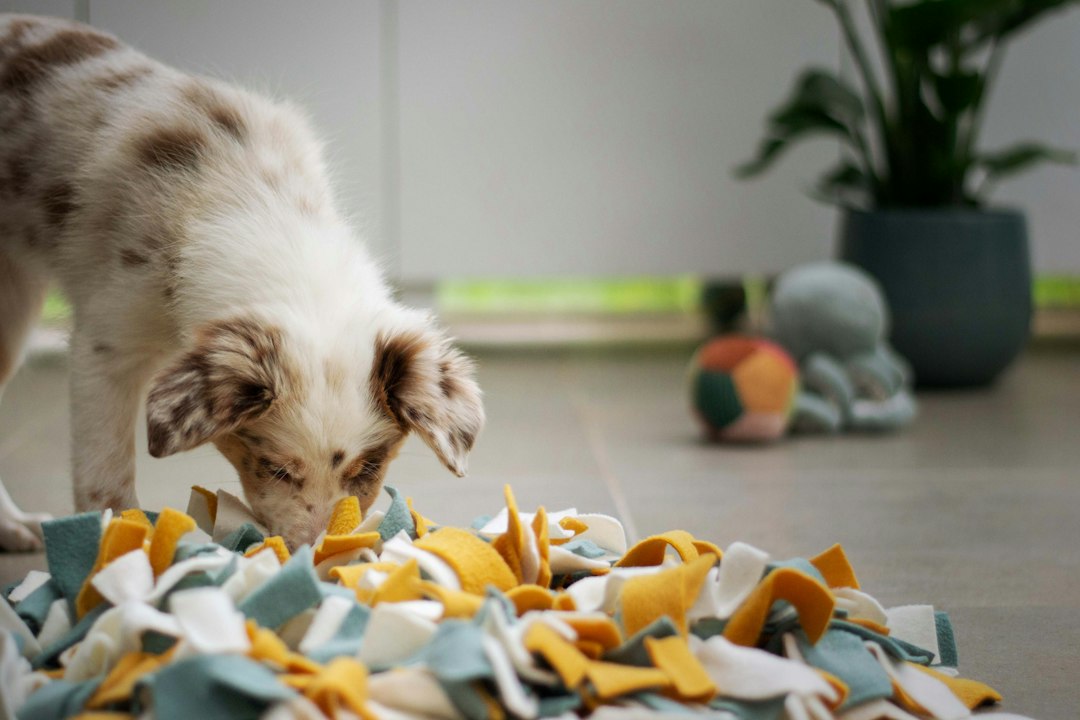
Enrichment can be inexpensive and brief. Use a portion of the dog’s normal food allowance for a supervised sniffing game, offer a suitable puzzle feeder or practise a familiar cue with rewards. Rotate a small selection of safe toys to keep them interesting. Choose activities that match the dog’s chewing style and ability, and remove anything damaged or likely to be swallowed.
Keep sessions achievable. If a puzzle causes frustration, make it easier or stop. Some dogs enjoy searching; others prefer a short training game or quiet exploration. Enrichment is an invitation to engage, not a test of intelligence or endurance.
Keep meals and water consistent
Choose a complete and balanced food appropriate to the dog’s life stage and needs. Feeding guidance is a starting point; body condition, activity and health may mean portions need adjusting with veterinary input. Fresh water should be available, and treats should be included in the overall daily intake.
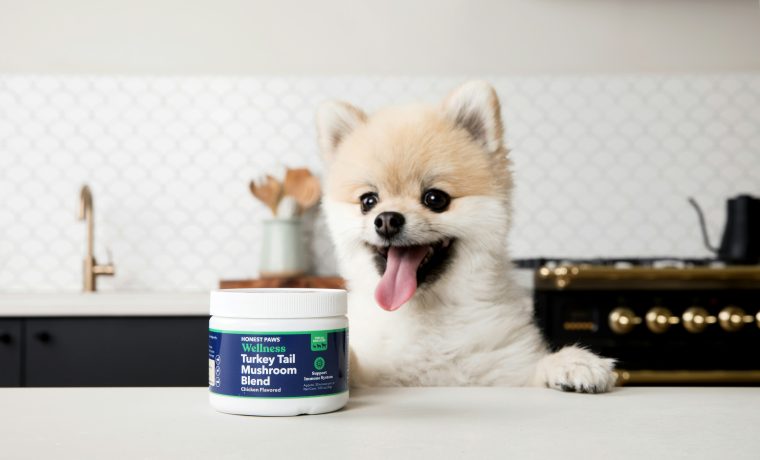
Avoid making sudden dietary changes or adding supplements because of a social media trend. Some ingredients and products may be unsuitable for particular dogs or interact with medication. Discuss nutrition concerns with a veterinary professional who understands your dog’s circumstances.
Protect quiet time and sleep
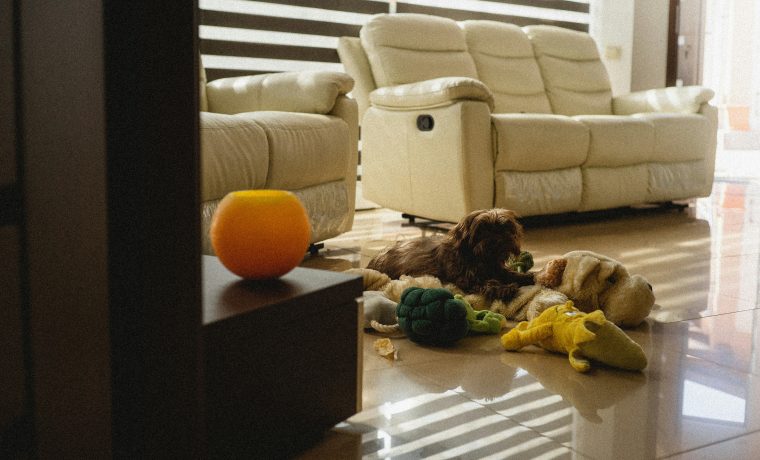
Rest is an essential part of a balanced routine. Provide a comfortable place where your dog can sleep undisturbed and retreat when household activity becomes busy. Avoid repeatedly waking them for play, training or photographs. Children and visitors should understand that a resting dog needs space.
Predictable patterns can also help dogs feel secure. Meals, walks and quiet periods do not need to happen at the exact same minute, but a broadly familiar rhythm can make the day easier to understand. Build in flexibility for weather, work and the dog’s changing energy.
Make preventive care part of everyday life
Regular veterinary check-ups help tailor vaccinations, parasite prevention, dental care and weight management to local risks and individual needs. At home, gentle handling practice can help a dog become more comfortable with routine checks of paws, ears and coat, provided the dog remains relaxed. It does not replace a professional examination.
Choose a routine you can sustain
A balanced day might include a suitable walk, a meal, a short sniffing activity, access to fresh water and a long quiet rest. Another day may look different, and that is normal. Notice what your dog enjoys, adapt when conditions change and ask your veterinary team about individual health questions. Good wellbeing is built through thoughtful habits, not a perfect schedule.
Reading time: approximately 5 minutes. Image: Ayla Verschueren / Unsplash.