
When temperatures fall, it is tempting to look for one simple rule: buy a coat, shorten every walk or keep the dog indoors. In reality, winter care works best when it is matched to the individual animal. A young, active dog with a dense coat may be comfortable in conditions that leave a small, slim or older dog shivering. A dog with arthritis or a heart condition may need a different routine again.
The aim is not to wrap every dog in layers or avoid outdoor exercise altogether. It is to notice how your dog responds, make sensible adjustments and recognise when a change in behaviour needs veterinary advice.
Start with the dog, not the thermometer
Size, age, coat length, body condition and health can all affect cold tolerance. Puppies, older dogs, short-coated or very slim dogs may lose heat more readily. Dogs with arthritis can become stiffer in cold weather, while animals with existing heart or respiratory problems may need an individually planned exercise routine.
The RSPCA’s winter guidance highlights the increased vulnerability of small, young, old and lightly coated dogs, and recommends a clean, dry resting place. If you are unsure whether your dog needs a coat or a change in exercise, ask your vet for advice based on the animal’s age, breed, body condition and medical history.
Use clothing only when it helps
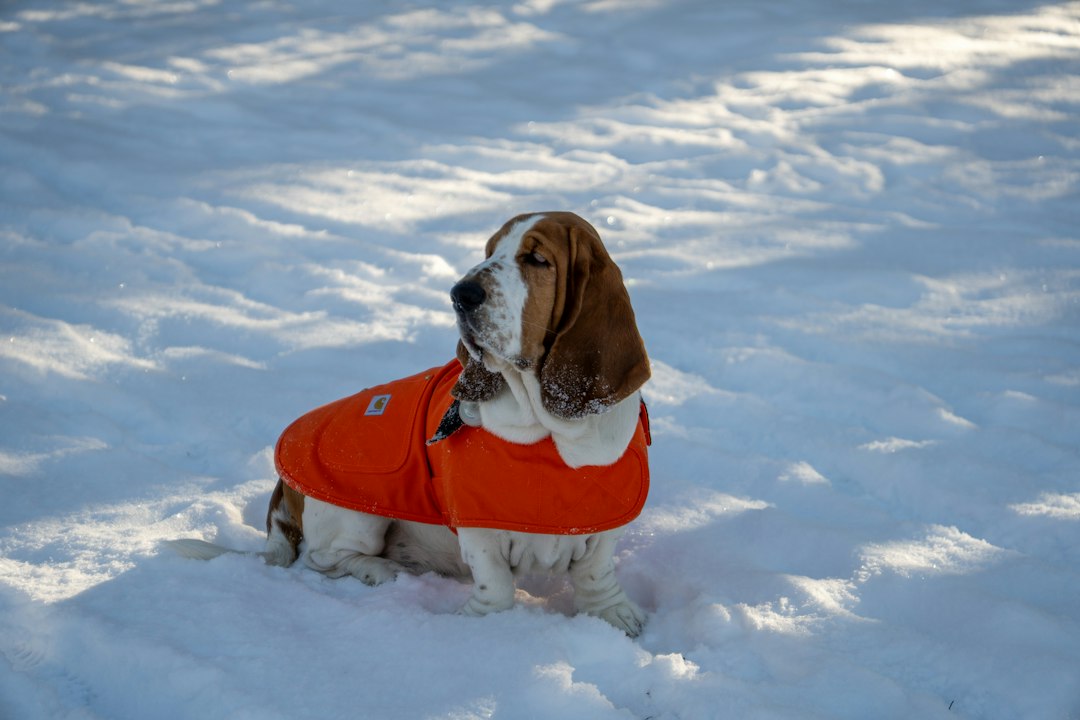
A well-fitting coat can help a dog that feels the cold, especially during longer outdoor periods or in wet, windy conditions. It should allow normal movement, toileting and comfortable walking. Check for rubbing around the legs, chest and neck, and remove it indoors if the dog becomes too warm or uncomfortable. Some dogs dislike clothing; never force a coat onto an animal that is distressed by it.
Warmth also starts at home. Provide a dry bed away from draughts, and make sure the dog can settle without being disturbed. If the coat becomes wet, towel-dry the dog and pay attention to the belly, feet and areas where moisture can remain trapped. Avoid placing hot objects directly against the skin; sudden or intense heat can cause burns.
Keep movement, but make it flexible
Cold weather does not automatically mean that exercise should stop. Regular, suitable movement supports fitness and can help dogs with joint problems, but the length and intensity may need adjusting. Choose a shorter loop on icy or very wet days, then offer indoor enrichment such as scent games, food puzzles or a few minutes of reward-based training.
Watch how your dog moves before, during and after an outing. Reluctance to get up, repeated slowing, limping, licking at a joint or difficulty using stairs can be signs of discomfort rather than simple laziness. If these changes are new, persistent or worsening, arrange a veterinary assessment instead of trying to exercise through them.
Know the warning signs of cold exposure
Shivering, unusual tiredness, weakness, confusion or poor coordination can indicate that a dog is too cold. The RSPCA notes that hypothermia can be serious and that shivering may stop in severe cases. Move the dog to a warm, dry place, wrap them in blankets and contact a vet immediately if you suspect hypothermia. Warm the animal gradually; do not use very hot water or place a heat source directly on the skin.
Also check ears, tail and paws for unusual swelling, discolouration or painful skin changes after exposure to severe cold. If you are worried about frostbite, seek veterinary advice promptly.
Make the post-walk check a habit
Winter streets bring hazards beyond low temperatures. Grit and rock salt can irritate paws and may be harmful if licked or swallowed. Wipe paws and the lower belly after walks, check between the toes for debris or ice, and prevent your dog from licking contaminated fur before it has been cleaned. Keep antifreeze and other household chemicals securely stored, and contact a vet immediately if you suspect ingestion.
A routine that can change with the weather
Think in terms of a daily check rather than a fixed winter timetable: Is the dog warm and dry? Are they moving comfortably? Is the route safe? Have paws and coat been checked afterwards? Does their behaviour seem normal at home? Adjust the plan when the weather or the dog’s condition changes.
Winter wellbeing is individual. A sensible coat, a warm resting place, flexible exercise and early attention to warning signs can help many dogs stay comfortable, but veterinary advice is the right next step whenever symptoms or existing health conditions make the answer less straightforward.
Further reading: RSPCA: Winter and cold-weather care for dogs.