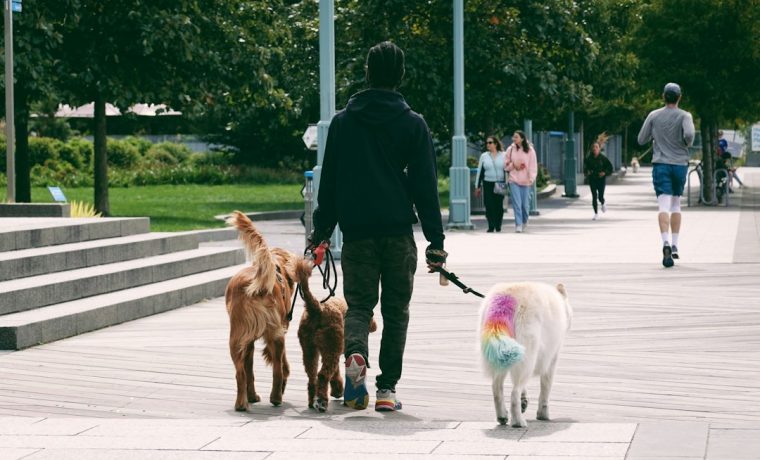

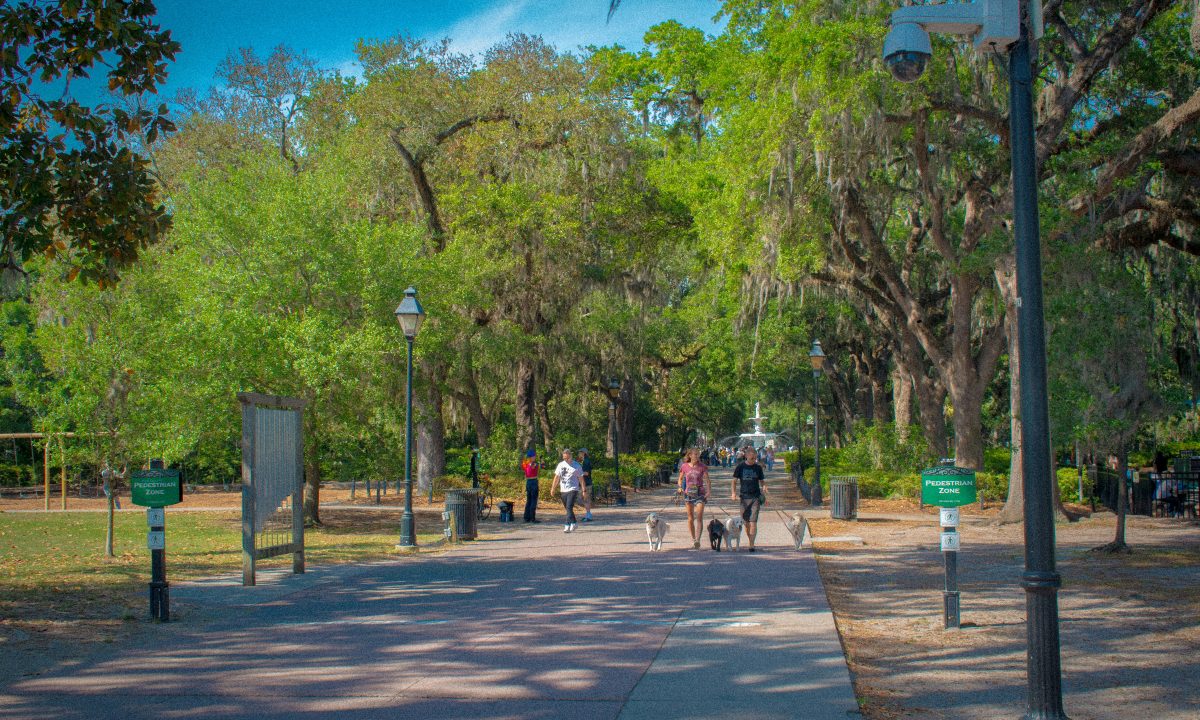
City life offers dogs plenty to explore: new smells, changing streets, parks and the everyday activity of a neighbourhood. It can also bring challenges such as traffic noise, crowded pavements, cyclists, construction and limited green space. With thoughtful route planning and a few practical habits, urban walks can become safer and more enjoyable for both dogs and their people.
Choose a route that matches your dog
Not every dog needs the busiest route or the longest walk. Consider your dog’s age, fitness, confidence and response to noise. A sensitive dog may benefit from quieter streets and off-peak times, while a confident dog can still need space when a pavement becomes crowded. Plan a route with escape options: a side street, a wider path or a quiet area where you can pause.
Check local park rules and temporary restrictions before heading out. In the UK, requirements can vary by location, and some areas have seasonal or wildlife-related controls. Keep your dog on a lead where required and follow signs. A lead is also a sensible choice near roads, busy shared paths and places where recall could be unreliable.
Prepare for pavements and crossings
Use a well-fitted harness or collar with a secure lead, depending on what is appropriate for your dog. Check equipment before leaving. Keep the lead short enough for control near traffic without pulling your dog tightly beside you at all times. Avoid long, retractable leads on narrow pavements or around cyclists and other pedestrians.
At crossings, stop before the kerb and give your dog a moment to settle. Cross only when it is safe, and avoid allowing the dog to move ahead into the road. Practise a calm “wait” cue in low-distraction settings before relying on it in a busy environment. Never assume a dog understands traffic signals the way a person does.
Pay attention to pavement temperature and surfaces. Hot weather can make hard surfaces uncomfortable; cold, salt or grit may irritate paws. Check paws after walks and seek veterinary advice if you notice persistent discomfort, injury or unusual licking.
Help your dog handle noise and crowds
Urban sound can be unpredictable. Buses, horns, construction and sudden movement may overwhelm some dogs. Watch for changes in body language such as stiffening, turning away, trying to retreat, excessive panting or refusing treats that would normally be welcome. These signs can have multiple causes, so assess the whole situation.
If your dog appears worried, create distance rather than forcing them to pass close to the trigger. Move to a quieter spot, let them observe from a comfortable distance or end the walk. Repeated exposure at a level that causes distress is not a reliable way to build confidence. Gradual, reward-based training and professional guidance may help when fear is persistent.
Share paths considerately
Urban trails and parks may be shared by pedestrians, runners, cyclists and families. Keep your dog close when someone approaches, move aside where practical and avoid blocking narrow paths. Ask before allowing a greeting. Some dogs are friendly but do not want to meet every dog; others may be in training or need space.
Teach simple skills at home and in quiet environments: walking beside you for short periods, responding to their name, pausing, and moving away with you. Reward calm behaviour. These skills are more useful than expecting perfect obedience in every busy setting.
Use green spaces for decompression
A walk does not need to be a continuous march. If rules permit, a quieter green space can offer time for sniffing and exploration. Sniffing is a natural behaviour and can make a walk mentally engaging. Allow safe opportunities to investigate, while keeping the dog away from litter, unknown food, wildlife and hazardous plants.
Carry waste bags and water, especially on longer routes. Pick up after your dog and dispose of waste responsibly. Respect designated areas and avoid letting dogs disturb wildlife or other visitors. A clean and considerate park helps maintain access for the whole community.
Build a city-walking routine
- Walk at quieter times when possible.
- Check weather, route conditions and local lead rules.
- Use secure, well-fitting equipment and keep control near roads.
- Bring water and waste bags.
- Give other dogs and people space.
- Shorten or change the route if your dog seems uncomfortable.
Safety is about flexibility
The most successful urban walk is not necessarily the one that covers the most distance. It is the one that meets your dog’s needs while navigating the environment responsibly. A quieter detour, an early return or a pause away from noise can be the right choice.
With practice, city walks can become an enriching part of daily life. Plan ahead, observe your dog closely and be ready to adapt. When owners combine reliable control with consideration for others, urban spaces become more welcoming for everyone.
Reading time: approximately 5 minutes.