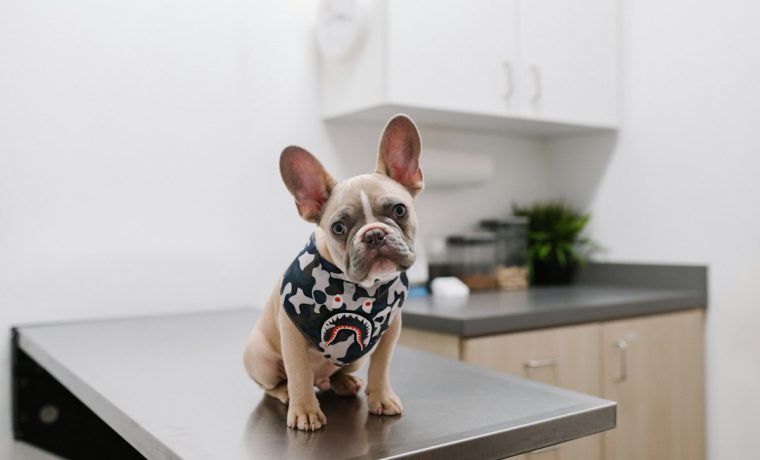

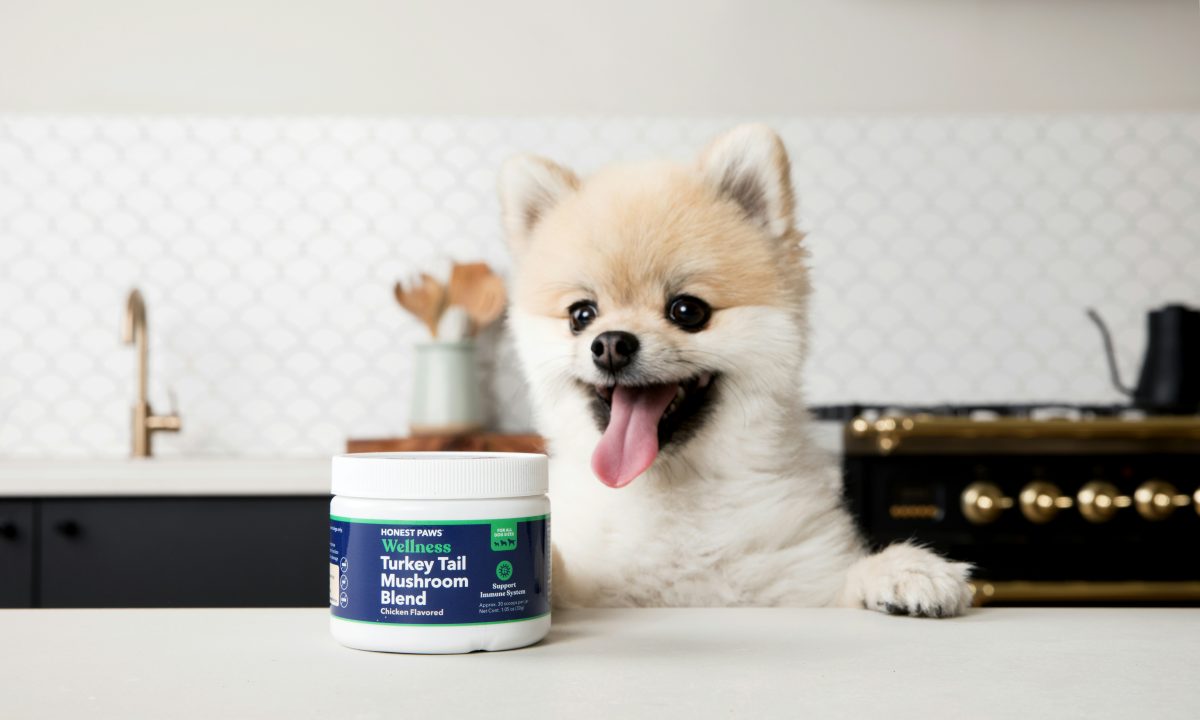
Dog wellness is not a single product or perfect routine. It is the combination of everyday choices that support a dog’s physical health, emotional comfort and quality of life. Needs differ by age, breed, body condition, medical history and temperament, so the most useful habits are flexible and guided by your veterinary team. Here are five foundations owners can build into daily life.
1. Make movement regular and appropriate
Exercise supports fitness, mobility and opportunities to explore, but the right amount varies widely. A young, energetic dog may enjoy several active outings, while a senior dog or one with a health condition may need shorter, gentler walks. Avoid comparing your dog’s routine with another pet’s social media schedule.
Combine movement with sniffing and exploration. Walks can include quiet pauses, simple games or a change of route. In hot or cold conditions, adapt duration and intensity. Watch for excessive fatigue, limping, breathing difficulty or reluctance to continue; stop and seek veterinary advice when symptoms are concerning or persistent.
2. Feed a balanced diet and monitor body condition
Choose a complete and balanced food appropriate to your dog’s life stage and needs. Follow feeding guidance as a starting point, then adjust with veterinary input based on body condition, activity and health. Treats are useful for training and bonding, but account for them in the overall daily intake.
Fresh water should always be available. Avoid feeding foods known to be unsafe for dogs, including chocolate, grapes and raisins, onions and garlic, xylitol-containing products, and alcohol. The risk depends on the substance and amount, and suspected ingestion warrants prompt advice from a veterinary professional or animal poison service.
Do not begin supplements or make a major dietary change solely because of a viral recommendation. Some products may interact with medication or be unsuitable for particular conditions. Discuss individual nutrition questions with your vet.
3. Provide mental enrichment
Dogs need opportunities to use their senses and learn. Enrichment can be as simple as scattering a portion of their usual food for supervised sniffing, offering a suitable puzzle feeder, practising a short training session or exploring a new safe route. Rotate activities to keep them interesting without making every day complicated.
Choose enrichment based on your dog’s ability and comfort. Supervise toys and materials that could be chewed or swallowed, and remove damaged items. If a puzzle creates frustration, simplify it. The aim is engagement—not a test the dog must pass.
4. Keep preventive care on schedule
Regular veterinary check-ups help identify concerns early and tailor care. Your vet can advise on vaccinations, parasite prevention, dental care, weight management and screening based on local risks and your dog’s circumstances. Keep records of medications and appointments, and ask questions when a recommendation is unclear.
At home, practise gentle handling in short, positive sessions: looking at paws, ears or the mouth only to the extent your dog tolerates. This may make routine care easier, but it is not a replacement for professional examination. Contact your veterinary practice if you notice changes in appetite, thirst, behaviour, mobility, skin, breathing or elimination.
5. Protect rest and emotional comfort
Rest is an essential part of wellbeing. Provide a comfortable, quiet place where your dog can sleep undisturbed. Avoid repeatedly waking them for photos, play or social interaction. Dogs also benefit from predictable routines, kind handling and the ability to retreat when they need space.
Learn your dog’s communication. Relaxed posture, willingness to engage and comfortable movement can indicate that an activity suits them. Turning away, hiding, stiffening or trying to escape are reasons to pause and reconsider. Body language must be interpreted in context, and ongoing behaviour concerns deserve support from a qualified professional.
Put the habits together realistically
A wellness routine does not need to be elaborate. For example, a day might include a walk suited to the dog, a balanced meal, a brief enrichment activity, access to fresh water, a calm rest period and attention to any unusual changes. Some days will look different, and that is normal.
Keep a simple observation note if you are tracking a change: when it began, what you noticed and whether it is improving. This information can be helpful during a veterinary consultation. Do not delay urgent care to keep a diary if your dog appears seriously unwell.
A final reminder
The strongest wellness plan is one that fits the individual dog and is sustainable for the household. Regular movement, appropriate nutrition, enrichment, preventive veterinary care and good rest create a solid foundation. For medical concerns or tailored recommendations, your veterinary professional is the right source of advice.
Reading time: approximately 5 minutes.