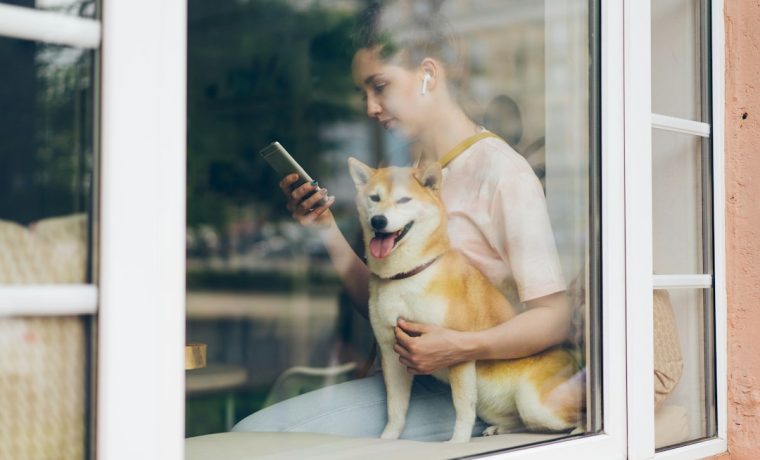

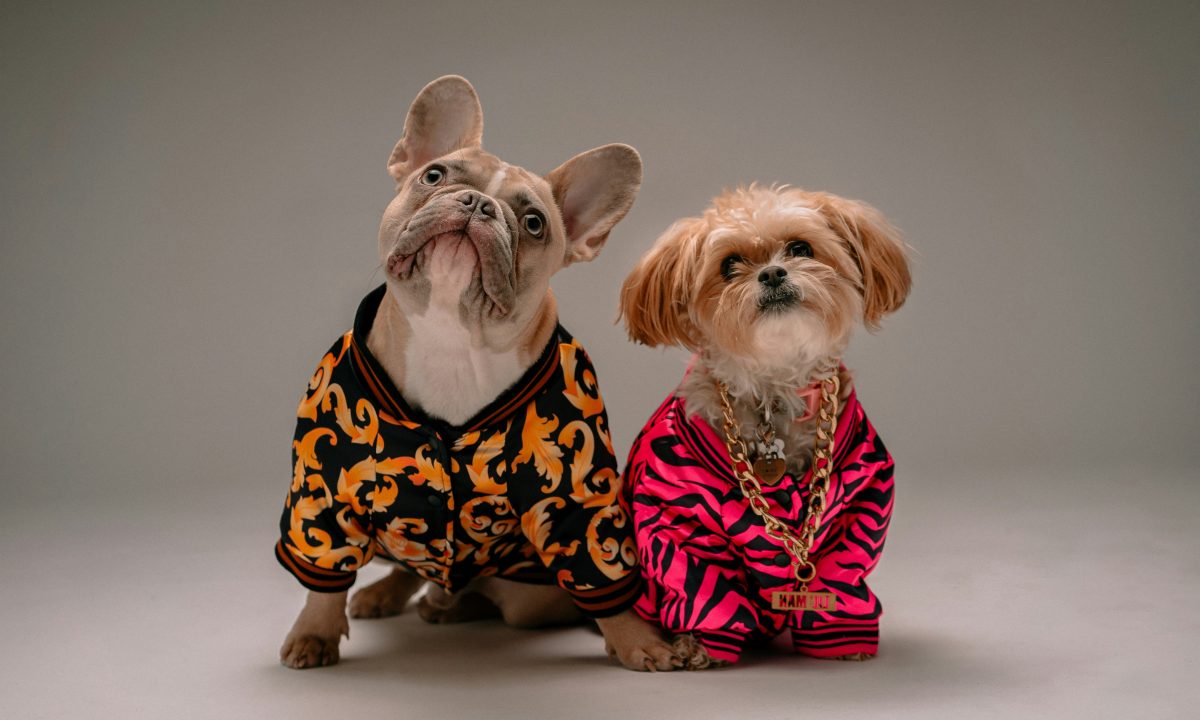
Pet videos are a beloved part of social media: a curious nose, a joyful reunion or an unexpected everyday habit can make people smile and bring owners together. Trends can help a creator reach new viewers, but they can also encourage staged reactions or unsafe challenges. The most worthwhile pet trends celebrate animals as individuals and keep their welfare firmly in view.
Why authentic moments resonate
Audiences often respond to recognisable experiences: a dog waiting for a walk, the excitement of a favourite toy or the familiar routine of settling down after a busy day. These moments feel relatable because they are not dependent on elaborate staging. A short caption can make them even more engaging by explaining the context or inviting viewers to share a similar experience.
Authenticity does not mean filming everything. Owners should protect private spaces, avoid revealing identifying details about their home or routine and consider the long-term digital footprint of the animal and family.
Trend: enrichment ideas people can adapt
Simple enrichment demonstrations are useful because they give viewers an idea to try with their own dog. A sniffing game, food puzzle or supervised cardboard-box exploration can be shown in a clear sequence: introduce the activity, demonstrate safe setup, observe the dog and explain how to adapt difficulty.
Always account for individual differences. Choose materials that cannot easily be swallowed or cause injury, supervise the activity and stop if the dog becomes frustrated. Avoid presenting an activity as universally suitable. A dog’s age, health, temperament and experience all influence what is appropriate.
Trend: gentle humour and relatable routines
Humour works best when the dog is not the target of fear or discomfort. A playful text overlay about a familiar habit, a montage of muddy paws after a walk or a funny but harmless timing coincidence can create a light-hearted story. Never provoke a dog, startle it deliberately or withhold something it needs to capture a reaction.
Be careful with edited audio and captions that imply a dog is experiencing a complex human emotion. It is fine to use playful storytelling, but avoid claiming to know exactly what the animal thinks. Keep the distinction between humour and factual interpretation clear.
Trend: progress journeys with honest context
Training and routine updates can be encouraging when they show gradual progress. Share the environment, the reward approach and realistic expectations. A single successful clip does not mean a behaviour is reliable in every setting. If you are discussing a challenge such as reactivity, anxiety or health, avoid presenting a quick fix and encourage professional help where appropriate.
Never use before-and-after framing to shame a dog or owner. Improvement can be non-linear, and every animal deserves patience. Where a qualified trainer or veterinary professional has helped, acknowledge the expertise rather than implying that a social post is a substitute.
Trends to skip
- Challenges involving unsafe foods, substances or objects.
- Videos that frighten a dog for a reaction.
- Forced costumes, poses or handling when the dog resists.
- Pranks involving traffic, heights, water hazards or unfamiliar animals.
- Viral “tests” that encourage owners to ignore distress signals.
- Misleading product claims or unlabelled sponsored recommendations.
Even if a risky trend appears widely, popularity is not evidence of safety. If a format depends on the dog being uncomfortable, choose another idea. Creators can also add value by explaining why they are not participating in a harmful challenge.
Make captions and disclosures trustworthy
Useful captions answer a question: What is this activity? How was it set up? What should an owner consider? Include relevant caveats in plain language. If a post features a gifted item, sponsorship or affiliate relationship, disclose it clearly where viewers will see it. Avoid health promises that are not supported by reliable evidence.
When comments ask for advice beyond your experience, be honest. Point readers toward their veterinary practice or a suitably qualified behaviour professional. Community conversation is valuable, but confidence should not replace expertise.
How to decide whether a trend fits
Before filming, ask three questions: Is the activity safe for this dog? Can the dog opt out? Does the post offer humour, information or a genuine moment without creating harm? If any answer is uncertain, adapt the trend or leave it behind.
Plan a content mix that does not depend on viral formats: daily-life clips, helpful care reminders, enrichment ideas, local adventures and occasional trend adaptations. That approach gives your account a recognisable voice and reduces pressure to chase every new meme.
Keep the pet—not the algorithm—at the centre
Social media can be a positive space for pet owners when creators model kindness and responsibility. The best trend is one that your dog can enjoy naturally, and the best post is one you can share without compromising welfare. A thoughtful creator may grow more slowly than a sensational one, but builds a more dependable relationship with the audience.
Reading time: approximately 5 minutes.