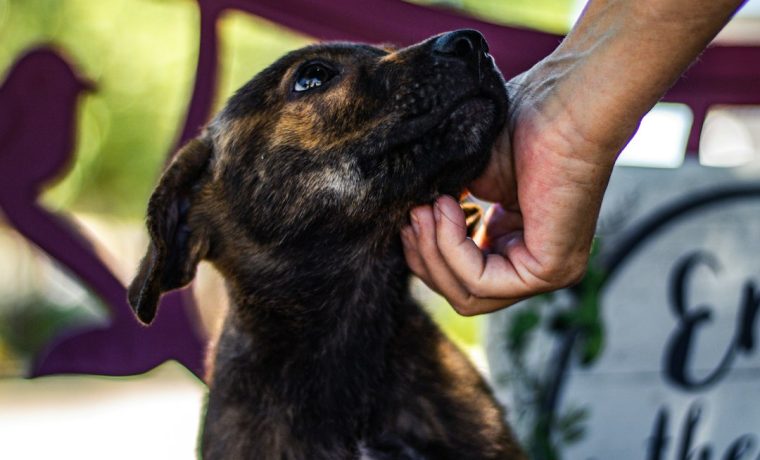

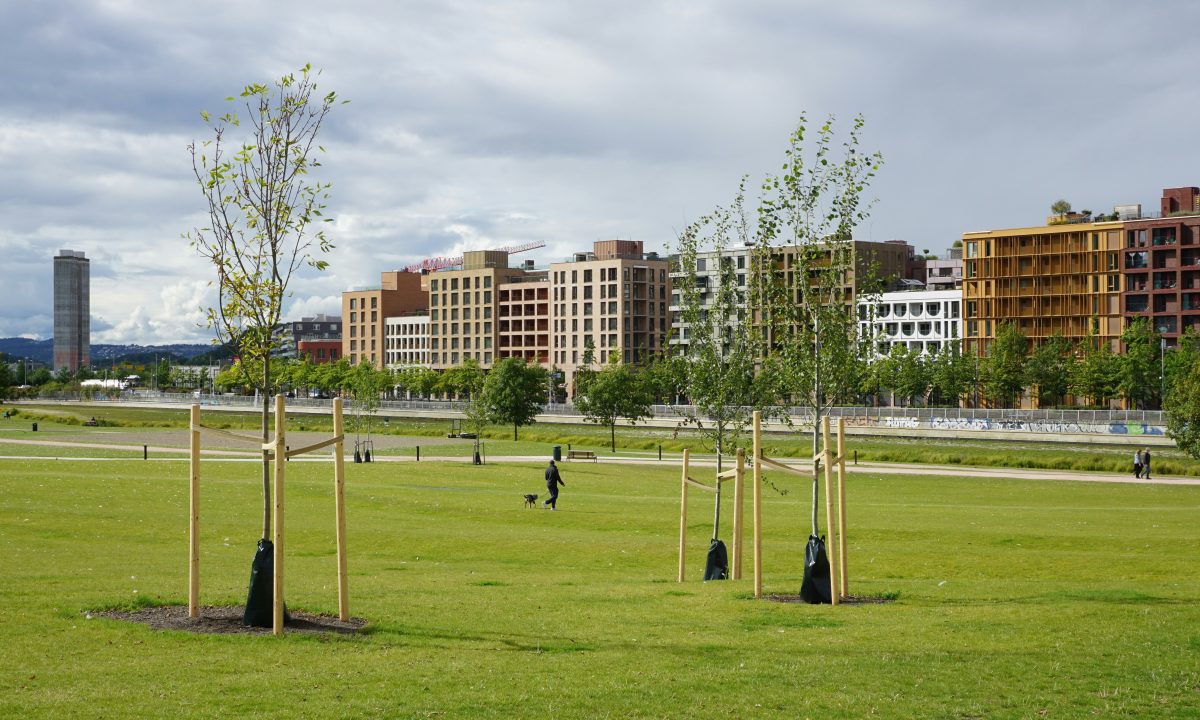
A dog-friendly community is more than a place where pets are permitted. It is a neighbourhood where people can walk safely, access welcoming spaces, meet other owners and care for their animals without creating problems for others. Across towns and villages, small local choices—from clear park rules to shared etiquette—can make everyday life better for dogs, owners and neighbours alike.
Why local connection matters
Regular walks naturally bring people into contact. A familiar route, a local green or a friendly dog-walking group can help neighbours get to know one another. These low-pressure encounters may build a sense of belonging, especially for people who have recently moved or spend much of their day working from home. Dogs can be a conversation starter, but the community benefit comes from respectful relationships between people.
Local networks also help owners exchange practical information: which paths are muddy after rain, where bins are available, what areas have seasonal restrictions and which cafés or venues welcome dogs. Advice should be checked with the venue or local authority because access policies can change.
Make shared spaces work for everyone
Good dog-friendly spaces balance freedom with safety. Clear signage helps owners understand whether dogs must be on leads, whether certain areas are restricted and how to protect wildlife. Accessible waste bins, maintained paths, shade and water points can improve the experience. Where possible, separate areas for off-lead play can reduce conflict between dogs with different needs.
Not every person is comfortable around dogs, and not every dog enjoys close encounters. A considerate owner gives other walkers room, calls their dog back when appropriate and asks before allowing a greeting. Keep dogs away from playground equipment, sports areas or wildlife-sensitive locations when rules require it. Shared spaces thrive when everyone feels their needs have been considered.
Start a welcoming walking group
A community dog walk does not need to be a formal club. Begin with a short, predictable route and a small group. Share the meeting point, duration, terrain and lead expectations in advance. Make it clear that reactive, shy, elderly or young dogs are welcome when the format suits them; participation does not require every dog to greet every other dog.
For the first meet-up, choose a spacious route and avoid crowded pinch points. Keep dogs under control, bring waste bags and water, and establish a simple plan if a dog needs distance. A parallel walk—where dogs move in the same direction with space between them—can be more comfortable than a tight circle of face-to-face introductions.
Support local dog-friendly businesses responsibly
Independent cafés, shops and outdoor venues may welcome dogs under specific conditions. Owners can help these businesses by checking policies before arrival, keeping dogs settled and preventing access to food preparation areas. A dog that is tired, stressed or barking continuously may be better off resting at home than joining a busy outing.
Community directories and social pages can highlight verified dog-friendly options, but information should be updated regularly. Ask businesses before listing them and describe the actual facilities rather than making broad promises. Responsible visits help preserve the welcome for future customers.
Include people with different needs
Accessible community planning benefits more than one group. Smooth paths, benches, clear route descriptions and quieter walking times can support older residents, people with mobility limitations and owners whose dogs need a calm environment. Avoid assuming that every owner can walk a long distance or manage a large group.
Events should provide options: a shorter route, a quiet arrival window or the ability to leave early. Communication can be simple and respectful. Ask what would make an activity comfortable rather than making assumptions about a person or their dog.
Small actions that create a lasting difference
- Pick up dog waste promptly and dispose of it in the correct bin.
- Respect lead rules, wildlife areas and seasonal restrictions.
- Give unfamiliar dogs space and ask before greeting.
- Share accurate local information and update outdated listings.
- Report damaged paths or missing bins through the appropriate council channel.
- Organise inclusive walks with clear expectations and a manageable pace.
A community is built through consideration
Dog-friendly places are not created by signage alone. They grow through everyday habits: a neighbour giving space, a business communicating its policy, a group choosing a considerate route and an owner leaving a shared area clean. These actions make local life more pleasant for people with dogs and those without them.
Start with one practical improvement in your neighbourhood. Invite a few owners for a relaxed walk, verify a local venue’s policy or share a useful route guide. Over time, small acts of care can turn a simple dog walk into a stronger sense of community.
Reading time: approximately 5 minutes.