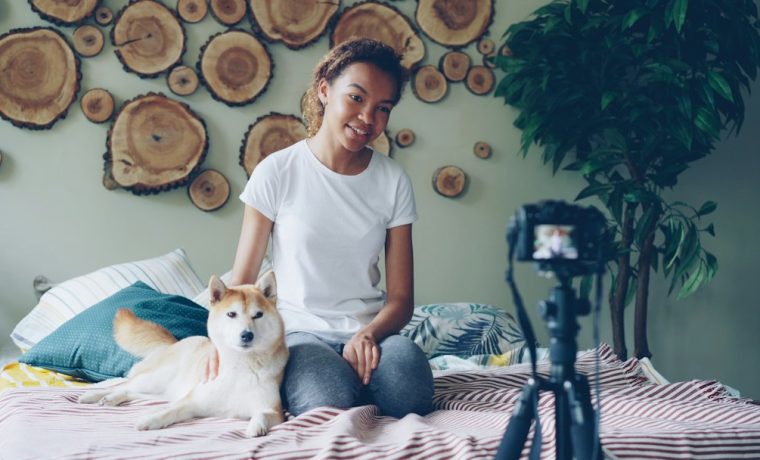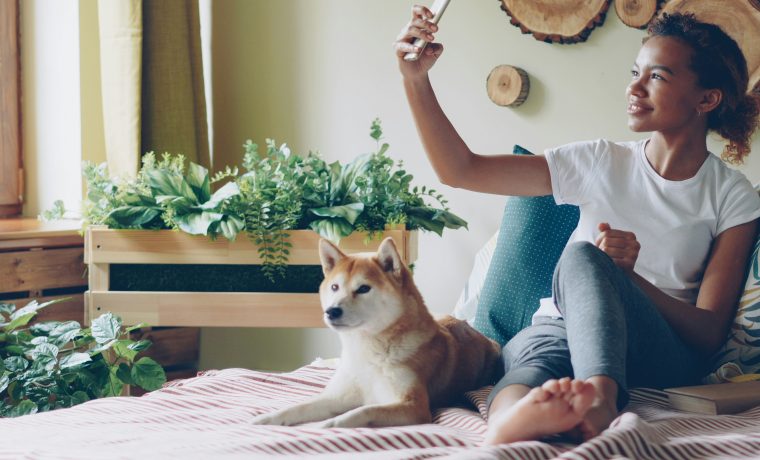

Creating thoughtful dog content can look effortless on a finished feed, but a little preparation makes filming easier and more consistent. The aim is not to turn every walk or quiet afternoon into a production. It is to notice moments worth sharing, capture them respectfully and give viewers something enjoyable or useful. A simple workflow can help creators publish regularly without allowing the camera to take over time with their dogs.
Begin with a clear idea
Before recording, decide what the post is meant to offer. Is it a short everyday story, a practical tip, a local recommendation or a progress update? One clear purpose makes it easier to choose the right footage and write a useful caption. Keep a running list of ideas in your phone, but treat it as inspiration rather than a filming schedule that must be completed.
Useful themes include seasonal walking routines, enrichment activities, equipment checks, dog-friendly places and small moments of companionship. Choose subjects you can explain accurately from experience. If a topic involves health, nutrition or behaviour, avoid presenting personal experience as universal advice and point readers towards qualified professionals where appropriate.
Capture natural moments first
Good footage does not require elaborate staging. Keep your phone or camera ready during ordinary activities, use natural light where possible and record short clips rather than asking a dog to repeat an action. Get down to the dog’s level when it is comfortable and leave enough space around the subject for flexible editing.
Watch the dog, not just the screen. If they turn away, become tense, try to leave or lose interest, put the camera away. Never use startling noises, unsafe props, uncomfortable costumes or withheld rewards to manufacture a reaction. A relaxed dog and a genuine moment are more valuable than a dramatic clip.
Make a small shot list
For a simple guide or mini-story, three types of footage are often enough: an opening scene that establishes the setting, a few close details that show the activity and a natural ending. For example, a post about a rainy-day enrichment idea might show the safe set-up, the dog investigating at their own pace and the activity being put away afterwards.
Check backgrounds for private information such as house numbers, vehicle registrations, school uniforms or location clues that reveal a regular routine. Ask permission before including other people, and be especially careful with children. A quick privacy check before publishing can prevent an enjoyable post from exposing details that should remain private.
Edit for clarity, not noise
Trim pauses that do not add meaning, but do not cut so quickly that viewers cannot understand what is happening. Add captions for people watching without sound and use readable text with strong contrast. Keep important words away from the edges where platform controls may cover them. A clear opening line should tell viewers what they will see without promising a miracle or inventing a problem.
Use music and other creative assets only when you have permission or an appropriate licence. Check that edits do not make an activity look safer, faster or more successful than it really was. If a demonstration needs supervision or has limitations, include those details in the caption.
Build a sustainable publishing rhythm
Batching can save time: write several captions in one sitting, organise clips into labelled folders and prepare a few posts around themes. Leave room for spontaneous moments and days when no content is made. Consistency is useful, but it should never come at the expense of a dog’s rest, exercise or attention.
After publishing, look beyond views. Saves, thoughtful questions and comments describing how someone adapted an idea may show that a post was genuinely helpful. Reply constructively, correct mistakes if you spot them and disclose gifted products, sponsorships or affiliate links clearly.
Keep the relationship at the centre
A strong dog-content workflow is simple: choose one useful idea, capture only what happens naturally, edit so the message is easy to follow and check privacy and welfare before sharing. The best measure of a successful post is not whether a dog performed for the camera. It is whether the story respects the animal and gives the audience a reason to enjoy, learn or connect.
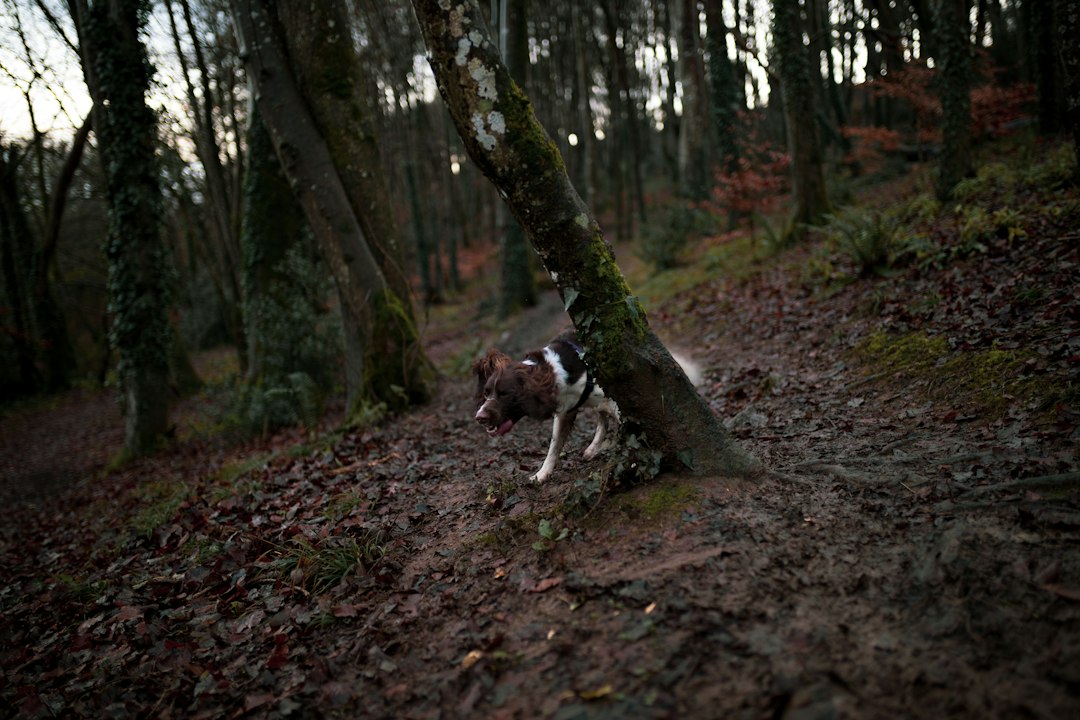
Reading time: approximately 5 minutes. Image: Celyn Bowen / Unsplash.