
Charities Warn That Pet Halloween Costumes Can Cause Distress. The seasonal warning published on 15 October puts canine comfort at the centre of Halloween celebrations. While costumes and themed photographs can be appealing to people, the experience may be uncomfortable or confusing for some dogs. The central message is simple: a pet’s wellbeing should take precedence over a festive look.
Why charities raised the concern
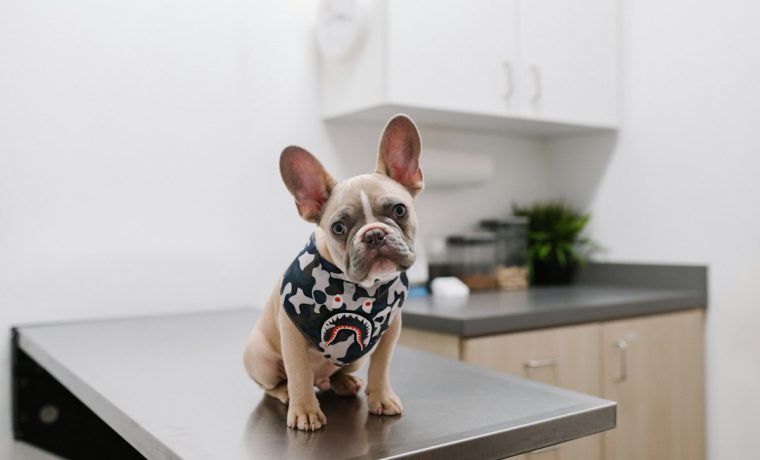
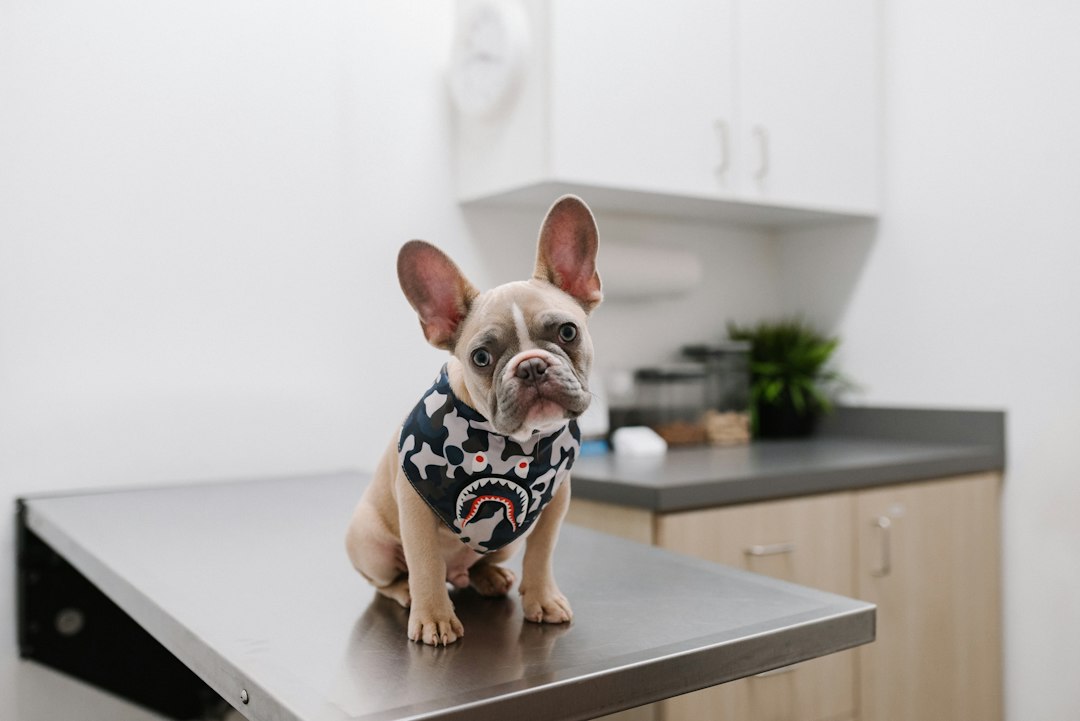
Animal charities cautioned that Halloween costumes may distress pets, advising owners to put comfort first and avoid forcing animals to wear festive outfits. Dogs communicate discomfort in different ways, and an outfit may restrict movement, affect hearing or vision, create heat, or introduce unfamiliar sensations. Even a costume that appears harmless to an owner can be stressful to an individual animal.
Some dogs tolerate a lightweight accessory for a short period, while others may show unease immediately. Individual temperament, past experience, physical condition and the design of the clothing all matter. There is no requirement for a dog to participate in a seasonal activity.
Recognising signs of discomfort
Owners should pay attention to body language rather than assuming a dog is enjoying the attention. Turning away, freezing, repeatedly trying to remove an item, tucked posture, panting unrelated to heat or exercise, and seeking distance can be signals that the experience should stop. Signs can be subtle and should be interpreted in context.
If a dog seems uncomfortable, remove the costume calmly and give the animal space. Avoid scolding, restraining or repeatedly putting the outfit back on for photographs. The goal is to preserve trust and help the dog feel secure.
Safer ways to celebrate
There are many ways to include a dog in a seasonal moment without clothing. A simple photograph of the dog in a familiar setting, a themed toy chosen for safe play, or a calm enrichment activity can create a memory while respecting boundaries. Any accessory should be used only if the dog remains relaxed and it does not interfere with normal movement or senses.
Household safety is also important around Halloween. Keep sweets, chocolate, decorations, candles and small objects out of reach. Ensure the dog has a quiet retreat away from doorbells, visitors and noise, and make sure identification details are current in case a pet slips through an open door.
Social media and responsible pet content
Seasonal content often encourages people to create playful images and videos. Responsible creators can set a better example by showing dogs naturally, keeping sessions brief and stopping when an animal signals that it has had enough. A post can be engaging without asking a pet to tolerate discomfort for a reaction.
Audiences also play a role. Positive engagement with calm, welfare-conscious content helps reward creators who put their animals first. It is worth remembering that a short clip may not reveal what happened before or after filming.
What owners should remember
Halloween can be enjoyable for families and pets when plans are adapted to the animal. Do not force a costume, never leave clothing or accessories on an unsupervised dog, and remove anything that causes distress or restricts movement. If a pet has a health or behavioural concern, seek advice from a veterinary professional who knows the animal.
The charities’ warning is not about removing fun from the season. It is about making sure that celebration is shared in a way that is kind, safe and genuinely comfortable for the dog.
Estimated reading time: 5 minutes.