
A dog-friendly town is not simply a place with a large park or a long list of businesses that allow pets. It is a place where everyday journeys feel manageable: pavements are easier to navigate, green spaces are cared for, rules are clear and people understand how to share public areas considerately. Many improvements do not require a major redevelopment. Small, practical changes can make a noticeable difference to residents and visitors alike.
Make local information easy to find
Owners often need simple answers before setting out. Are dogs allowed in this park? Are there seasonal restrictions? Is there a lead requirement near wildlife or play areas? Where are the nearest bins and water points? Councils, community groups and site managers can help by keeping signs and online information clear, consistent and up to date.
Good information should explain both what is permitted and why a rule exists. A seasonal restriction may protect nesting wildlife; a lead-only area may help people share a narrow path safely. When the reason is understandable, visitors are more likely to respect it. Local rules vary, so owners should always check the guidance for the particular site rather than assume that every park follows the same policy.
Look after the everyday walking route
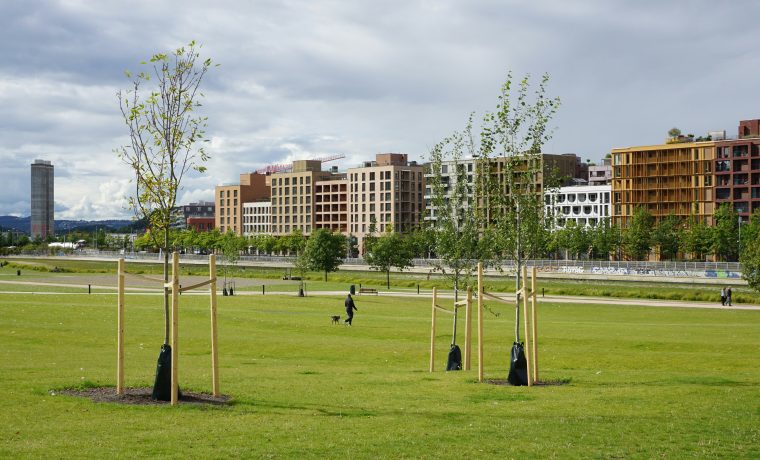
For many households, the most-used dog-walking space is not a famous beauty spot. It is the pavement outside the front door, a small green, a canal path or a route to the local shops. Uneven surfaces, blocked paths, poor lighting and overflowing bins can make these ordinary journeys difficult.
Residents can report hazards through the appropriate council channels and share specific details, such as the location and nature of the problem. Community groups can gather recurring concerns and raise them constructively. Improvements such as repairing a damaged path, trimming vegetation that blocks visibility or positioning bins sensibly can benefit wheelchair users, parents with pushchairs, older residents and dog walkers together.
Help local businesses welcome dogs responsibly
Pet-friendly businesses can add to a town’s appeal, but a welcoming approach needs clear expectations. A café might specify whether dogs are allowed inside, in an outdoor area or only at certain times. A shop can explain where a dog may wait without blocking an entrance. Staff should not be expected to manage animals, and owners remain responsible for keeping their dogs under control.
Businesses can start small: provide a visible policy, keep entrances accessible and offer water where practical. They should also consider customers who are allergic, anxious around dogs or simply prefer not to interact with them. A genuinely inclusive policy makes room for different needs rather than assuming everyone wants the same experience.
Create opportunities to meet without pressure
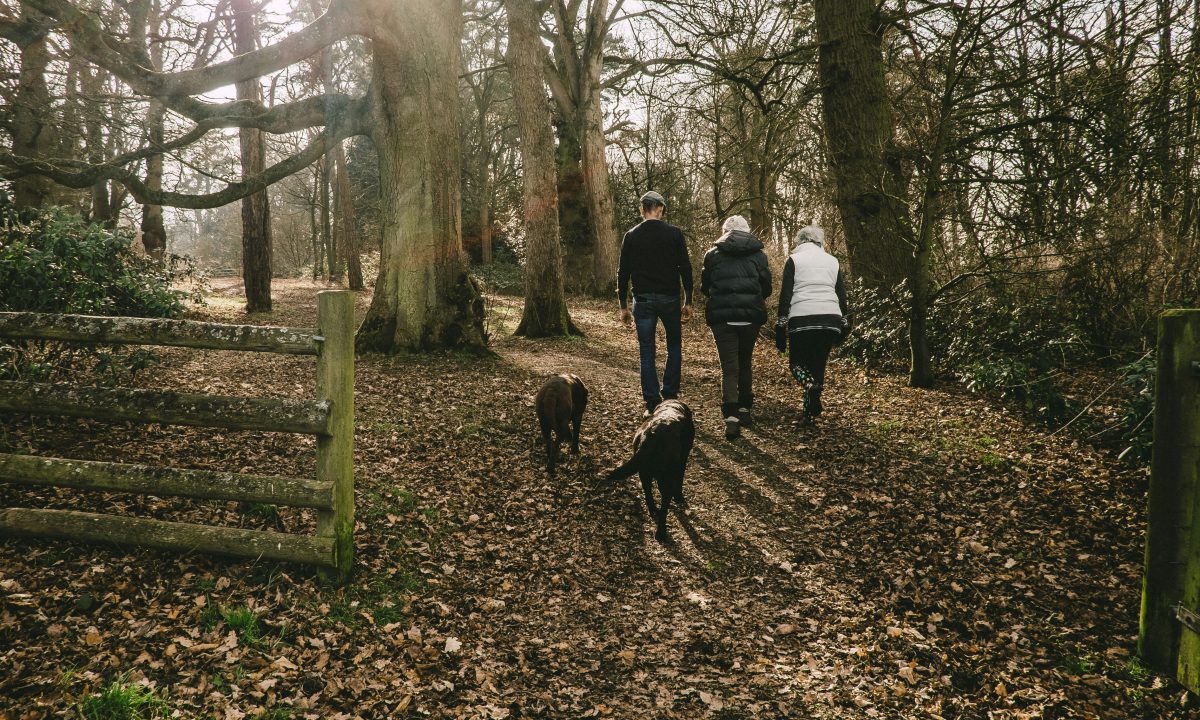
Local walking groups, charity events and informal meet-ups can help people feel connected. The best activities are planned around the dogs as well as the humans. Choose a route with enough space, keep greetings optional and avoid expecting every dog to socialise. Some dogs prefer to walk alongside others without close contact; others may need a quieter environment.
Organisers can share the route length, terrain, likely crowd level and lead expectations in advance. A shorter option or a clearly explained quiet section can make an event more accessible. For fundraising walks, make sure the cause and the destination of donations are transparent.
Protect green spaces and wildlife
Shared green spaces work best when everyone takes responsibility. Owners should pick up after their dogs, follow local lead rules and prevent chasing or disturbance of wildlife. Community volunteers can support litter picks, planting days and responsible-use campaigns in partnership with land managers.
Dog access and nature protection do not have to be opposing aims. Clear paths, suitable signage and seasonal guidance can help people understand where dogs can explore and where extra care is needed. The right balance depends on the site, its wildlife and the people who use it.
Listen to people who use the space differently
Consultation is more useful when it includes a range of voices: dog owners, residents without pets, disabled people, parents, local businesses, conservation groups and park staff. A path that feels wide enough at a quiet time may become difficult during a weekend event. A dog exercise area may be valuable, but its location and maintenance matter.
Rather than treating feedback as a competition between groups, look for shared goals: safe routes, clean public spaces, accessible facilities and clear expectations. Trial changes can help a community see what works before committing to a permanent design.
Start with one achievable improvement
Anyone who wants to make their neighbourhood more dog-friendly can begin by identifying one practical issue. It might be an unclear sign, a damaged path, a lack of information about local rules or a community event that needs a quieter option. Contact the relevant organisation, explain the impact and suggest a realistic next step.
A welcoming town is built through everyday consideration. When public spaces are maintained, information is clear and different users are respected, dogs and people can share more of the places that make a community feel like home.
Reading time: approximately 5 minutes. Image: Mitchell Orr / Unsplash.