
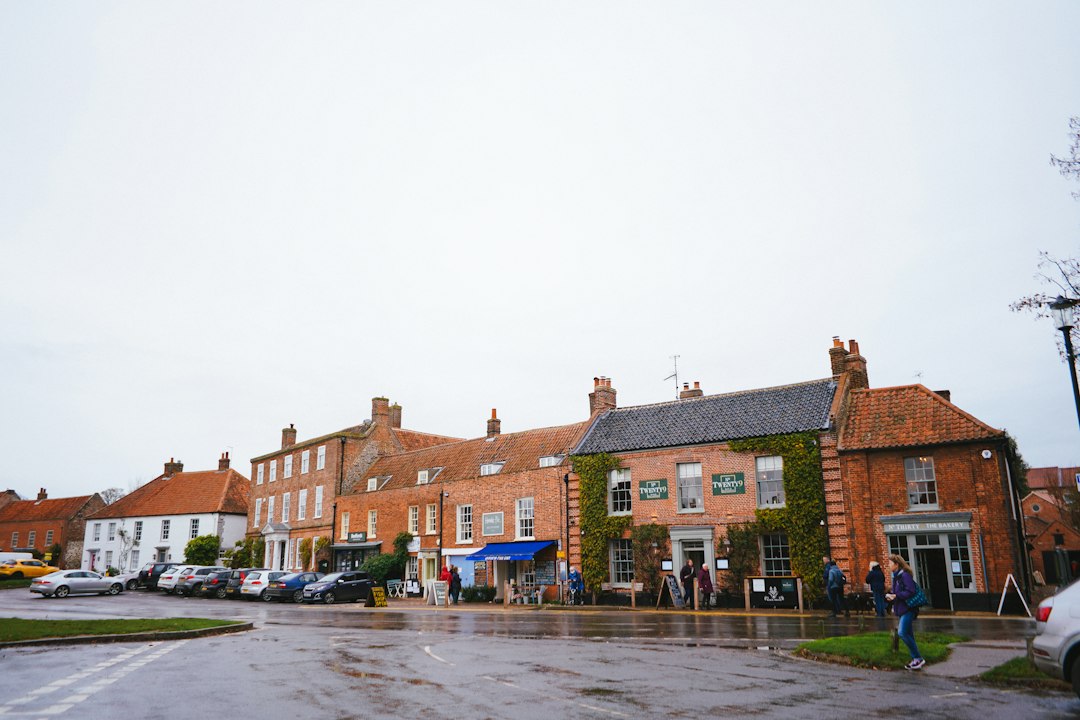
A dog-friendly high street is not simply a row of businesses that allow pets through the door. It is a place where owners can understand local rules, move safely through shared spaces and find welcoming places to pause without making life harder for other visitors. Small, practical decisions by businesses, councils and residents can make a noticeable difference.
Make access information easy to find
Uncertainty is one of the simplest barriers to a relaxed visit. A clear sign at the entrance, an up-to-date website or a short note on a business’s social page can explain whether dogs are welcome, whether they may enter all areas and whether outdoor seating is available. Policies can differ between venues, so owners should check before travelling rather than assume that one local business’s rules apply to the next.
Useful information is specific. A venue might explain that calm, well-controlled dogs are welcome in its covered courtyard, while food preparation areas remain restricted. If access changes seasonally or during busy events, updating the notice helps avoid awkward conversations at the door.
Design comfortable places to pause
Outdoor seating can make a town more accessible to people who prefer to keep their dogs with them. Enough space between tables, stable places to secure a lead safely and a route that does not block entrances all help. Water bowls can be a thoughtful extra, provided they are cleaned and refilled regularly.
Businesses should not feel obliged to provide every amenity, and owners should not expect staff to supervise their animals. A dog remains the owner’s responsibility. Keeping leads short enough to avoid trip hazards, preventing dogs from approaching other tables and taking a break outside if a dog becomes unsettled are simple ways to share space considerately.
Keep pavements and public areas usable
Busy pavements need room for wheelchairs, pushchairs, mobility aids and people walking at different speeds. Shop displays, temporary signs and outdoor furniture should leave a clear route. Owners can help by keeping dogs close near doorways, crossings and narrow sections, and by moving aside when others need more space.
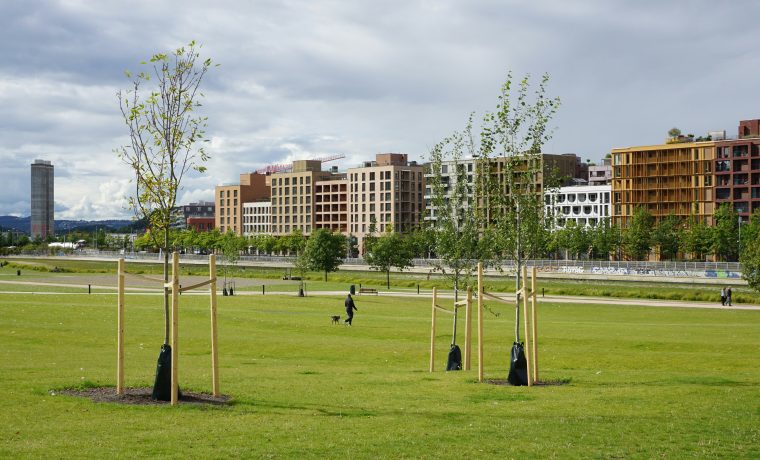
Accessible waste bins and clear signs about local dog-control rules make public areas easier to use. Councils can help by maintaining paths, keeping bins available and explaining any seasonal restrictions in parks and green spaces. Rules vary by location, so visitors should follow the signs rather than rely on assumptions about off-lead access.
Support local groups without creating pressure
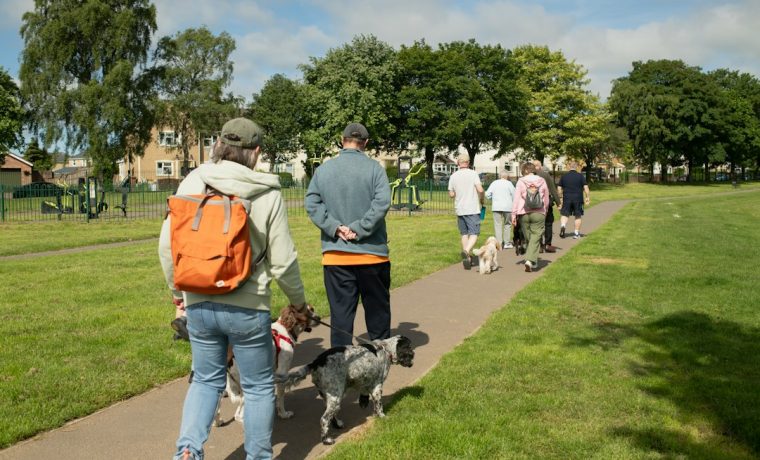
Community dog walks, charity events and informal meet-ups can bring neighbours together. The most inclusive activities explain the route, distance, expected pace and whether dogs need to remain on leads. They should also make it clear that owners can leave early or watch from a distance if their dog finds groups overwhelming.
Not every dog enjoys close greetings. Organisers can model considerate behaviour by asking before introductions, leaving room between dogs and avoiding crowded bottlenecks. A quiet route or a smaller gathering may suit more participants than an event designed around constant interaction.
Help independent businesses take part
Local cafés, bookshops, garden centres and other venues can decide what works for their premises. A simple policy, staff guidance and a tidy outdoor area may be more realistic than expensive changes. Businesses can also share recommendations with nearby dog-friendly venues, helping visitors plan a longer local outing while spreading custom across the high street.
Owners can support these efforts by buying something when appropriate, following house rules and leaving the space clean. If a venue cannot welcome dogs indoors, a polite and accurate explanation is more useful than negative reviews based on an expectation that was never promised.
A welcoming town is built together
Dog-friendly places work best when access, comfort and consideration are balanced. Clear information helps owners plan; thoughtful layouts protect shared space; and responsible handling makes visits easier for everyone. None of these changes needs to be dramatic. A readable sign, a well-placed bin or a little extra room between tables can help a high street feel more welcoming.
Reading time: approximately 5 minutes. Image: Phil Hearing / Unsplash.